

News & Updates
Hong Kong Meeting, Shenzhen Dinner: What to Ask First About the Return Transfer

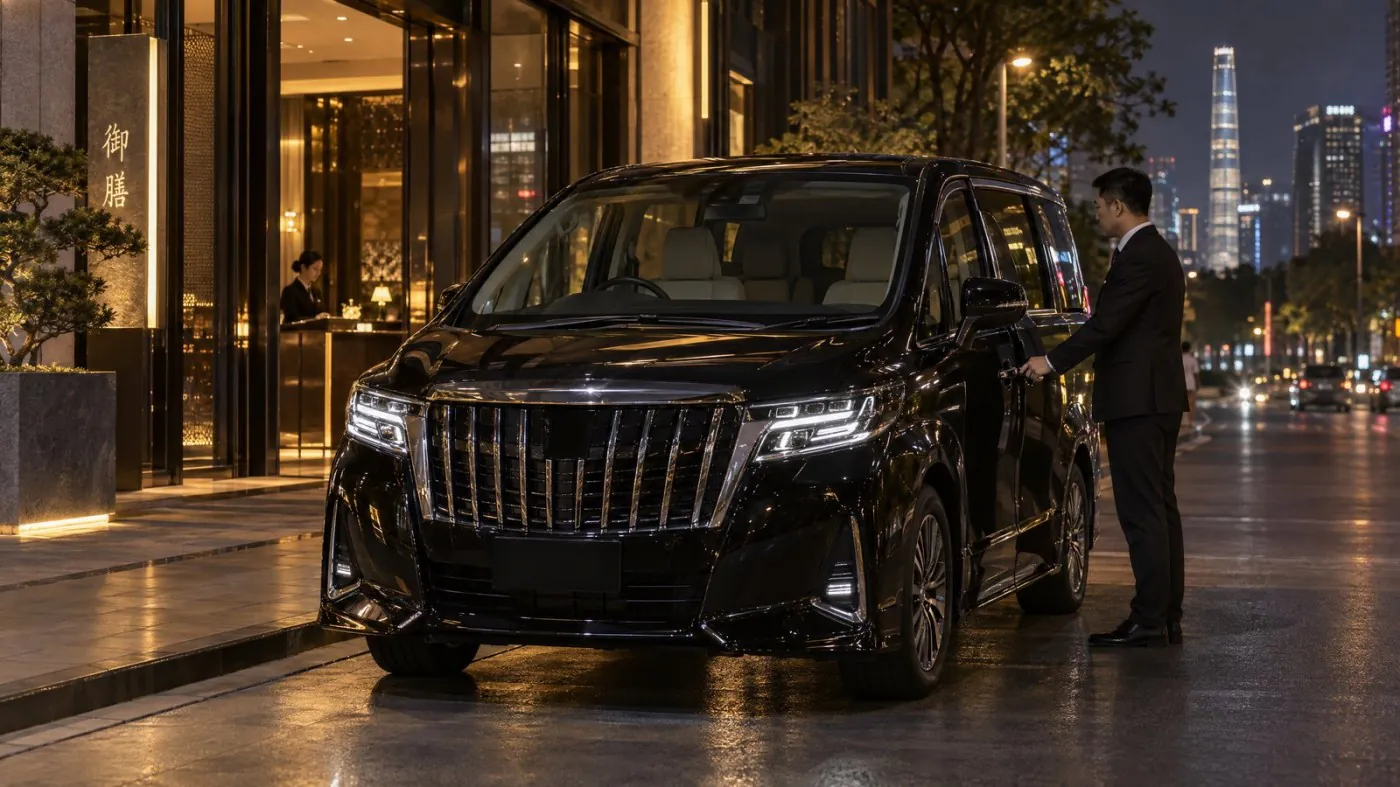
Question One: "When Will It Finish?" or "When Must We Leave?" Which Do You Ask First?
You rarely control when a business dinner ends: toasts, group photographs and one more round of conversation can easily add half an hour. So when planning the return, do not ask "what time does it break up"; ask "what is the earliest we can leave" and "what is the latest we must leave". Put both times in the itinerary and the driver knows which stretch is a wait and which needs the car ready. Set out the venue in the same detail: a restaurant may have several entrances, and one inside a shopping centre needs the floor and nearest lift spelled out, otherwise driver and guests describe positions to each other by phone.
It is also worth asking how pick-up and drop-off work at the restaurant. Some places on the upper floors of a mall only allow cars to stop at the mall entrance, and knowing that early saves a lot of circling.
Question Two: Does the Driver Wait or Leave? How to Agree the Waiting Arrangement
During the dinner, does the driver stay nearby, or leave and come back when called? Both work. If parking near the restaurant is impractical for long periods, the driver normally stands by nearby and pulls up to the door when called. If the dinner is expected to run very long, agree roughly when you will be in touch again. Whichever it is, settle three things before you set off: whether the pickup position is the hotel's main door or the car park, who the contact person is, and which phone number to use. Those details on the itinerary are far quicker than ringing around on the night.
Question Three: Who Goes Back to Hong Kong Tonight, and Who Stays in Shenzhen?
The first step in arranging the return is a head count and a destination count. At the same dinner, half the guests may be going back to Hong Kong that night, half staying at a Shenzhen hotel. Handling the two separately is simpler: the Hong Kong group leaves according to the control point arrangements, and those staying only need delivering to the hotel entrance. If a guest who is staying has a morning meeting, ask how far the hotel is from the venue, and tomorrow's transfer can be planned accordingly. Put both lists, with names and case counts, on paper rather than asking each person as the evening breaks up. If a guest changes their mind, confirm again during the dinner; finding out at the end means redoing the car and control point arrangements on the spot.
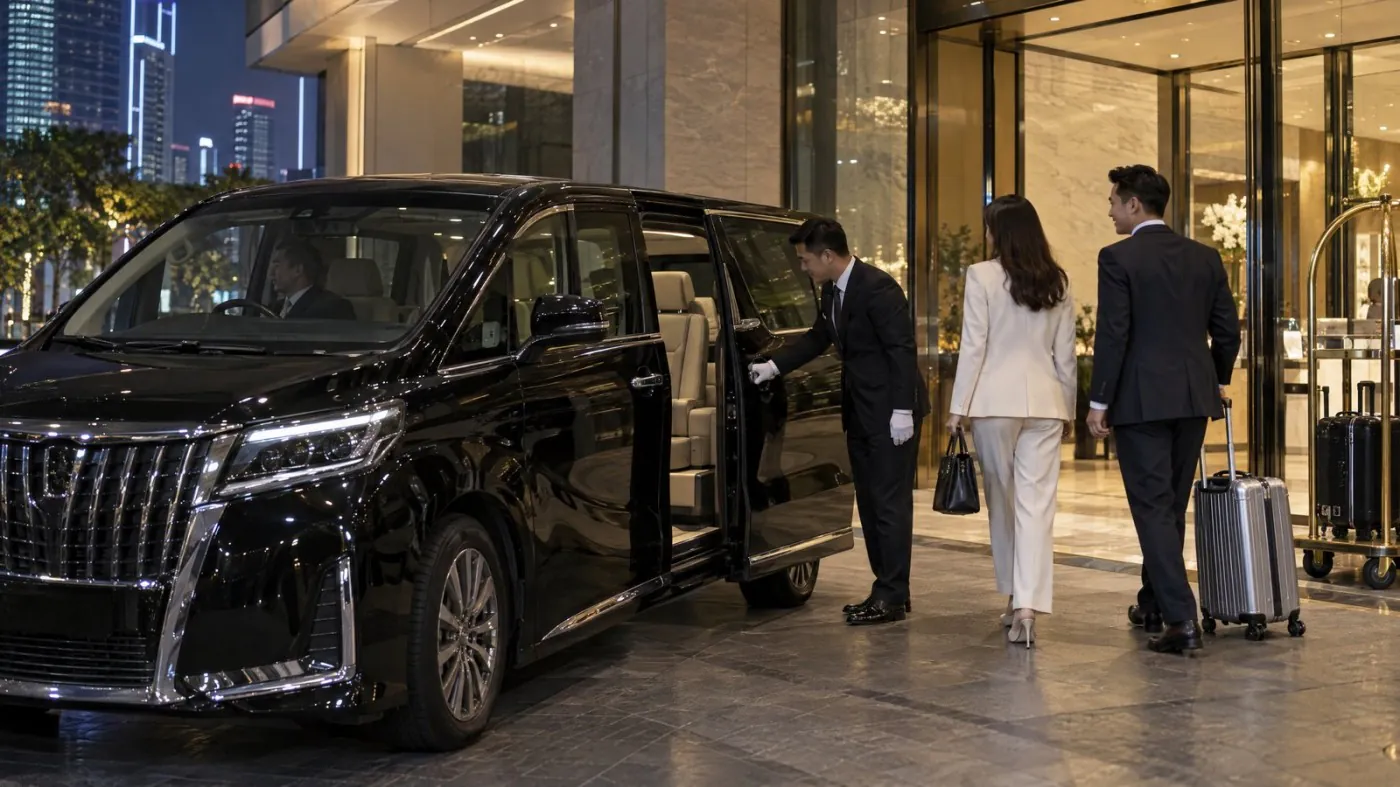
问题四:回香港走哪个口岸,末班时间由谁负责查?
The control point is where cross-border dinner plans most often blow their budget. Which crossing can be used, and whether there are special arrangements, are subject to the latest announcement that day. Travelling by road, note the crossing's operating hours; by ferry or high-speed rail, the last departure needs checking even more carefully. Write into the itinerary who is responsible for confirming the last departure time, and check again during the dinner, because the finish is usually later than expected. If a guest is chasing a particular service, better to leave the table early than to hurry all the way. And if several groups head for different crossings the same night, they need separate cars; one car cannot cover several crossings, there will never be enough time, and guests will feel uneasy.
Question Five: Leave in One Go, or in Several Batches?
Because a dinner rarely ends on schedule, the usual approach is two batches: one leaving early, typically for a last service or business in Hong Kong, and one staying to the end with the host or key client. If you leave in batches, agree the meeting point and contact person beforehand instead of ringing each person at the restaurant door. Luggage needs thought too: if someone leaves early but their cases are at the hotel, arrange that separately rather than discovering it at the last minute. How many batches, how many people in each and who leads each one: get those three clear and the return stays calm.
Seating and drop-off order are worth settling before boarding. Write down each guest's final destination, order them along the route, and keep passengers in the same car as close together as possible. Agree when the second car will arrive too, so the two batches are not waiting at the door at once. If the plan changes, for instance two extra guests or a different restaurant, set out the new drop-off points, numbers and times in one go. Tiger Limo can arrange the return legs around your dinner timings.