
News & Updates
Luggage Is Harder Than Headcount: Cross-Border Car Hire for Golf Bags, Instruments, Strollers, Wheelchairs and Sample Cases

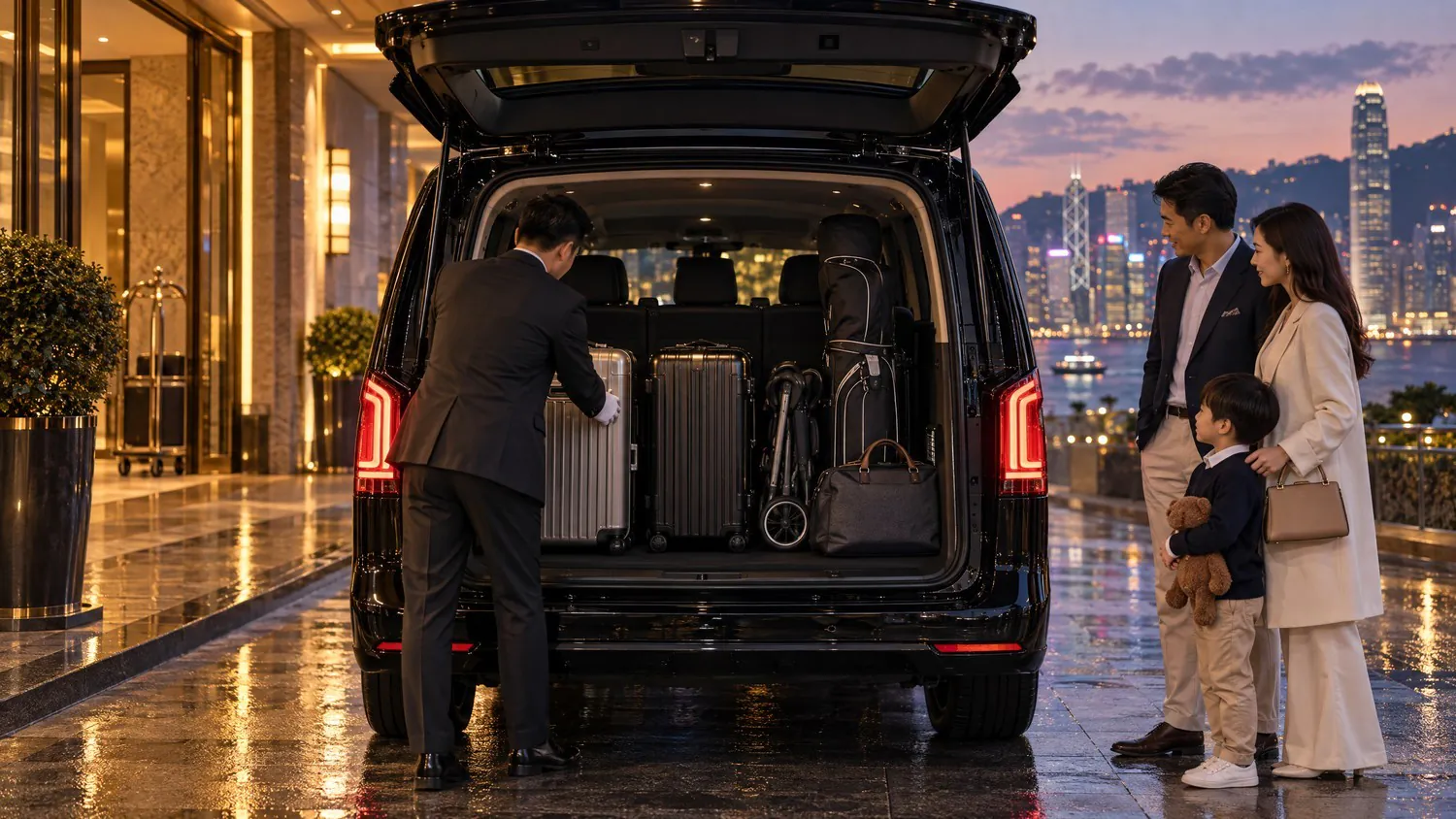
In cross-border car hire, the detail that gets underestimated is never the headcount. It is the luggage. Guests often start with “there are four of us”, and on the day of travel it turns out there are also four large suitcases, a stroller, a golf travel bag, and two cases of samples for an exhibition. It is the same vehicle either way, but whether the space works is decided by these details.
Seat count tells you how many people can sit in the car. It says nothing about how much luggage can go in. The same seven-seater carrying four guests and four cabin bags is a completely different situation from four guests, four large suitcases, a stroller and a golf bag. Explain the luggage clearly and the day runs smoothly; leave it vague and the first ten minutes of the trip can set the tone for everything after.
Figure 1. The boot of a cross-border car: suitcases, a golf travel bag and a folded stroller loaded together
Three things to settle before choosing a vehicle
First, the number of passengers, counted separately for adults and children, and whether child seats are needed. Second, the number and size of the bags: the useful answer is not “a few bags” but “two large cases and two cabin bags”, because a 28-inch case takes up noticeably more room than a smaller one. Third, any items that occupy space rather than seats, such as golf bags, instruments, strollers, wheelchairs and sample cases. For these, length usually matters more than weight.
When all three are stated together, the service team can recommend a suitable vehicle. If only the headcount is given, any recommendation can only be an estimate.
Five items that most often cause a space problem
Golf travel bags: length is the issue
A standard golf bag with clubs is roughly 1.2 to 1.3 metres long. Laid flat, it takes up the full width of the boot; stood upright, it needs a taller cabin. With two or three bags in the group, the third row of seats usually has to be folded, or a larger vehicle is needed. It also helps to say whether the bag is in a hard travel case, which takes more room than a soft cover and cannot be stacked under other luggage.
Instruments: a seat or just space
Small instruments such as violins and flutes can travel with you, but it is still worth placing them on a seat and securing them with the seat belt so they do not slide. Larger instruments such as cellos, bass guitars and guitars generally need a seat of their own, or the space behind a folded seat, and should not be stacked under other bags. If the instrument is valuable, mention it when booking so that space can be reserved.
Strollers and children’s equipment
Strollers are awkwardly shaped. Even folded, they have thickness, they compress easily at the bottom of a luggage pile, and they are hard to secure. Travelling with a stroller also means planning child seats and seating for the adult who is looking after the child. Add a travel cot or a large supply of nappies and formula, and the luggage load is usually heavier than it first appears.
Wheelchairs and mobility aids
Wheelchairs and walking frames need to be arranged in advance, because the question is not only space but how the passenger gets in and out, and how the chair is secured. Manual wheelchairs can usually be folded into the boot. Electric wheelchairs are larger and heavier and need a bigger vehicle plus assistance. At the border, several Shenzhen control points provide accessible facilities, lifts, accessible toilets and wheelchair parking areas inside the vehicle hall, along with wheelchair loan and assistance services; some can arrange one-to-one assistance through clearance. If a wheelchair user is travelling, mention it when booking so the right control point and route can be chosen.
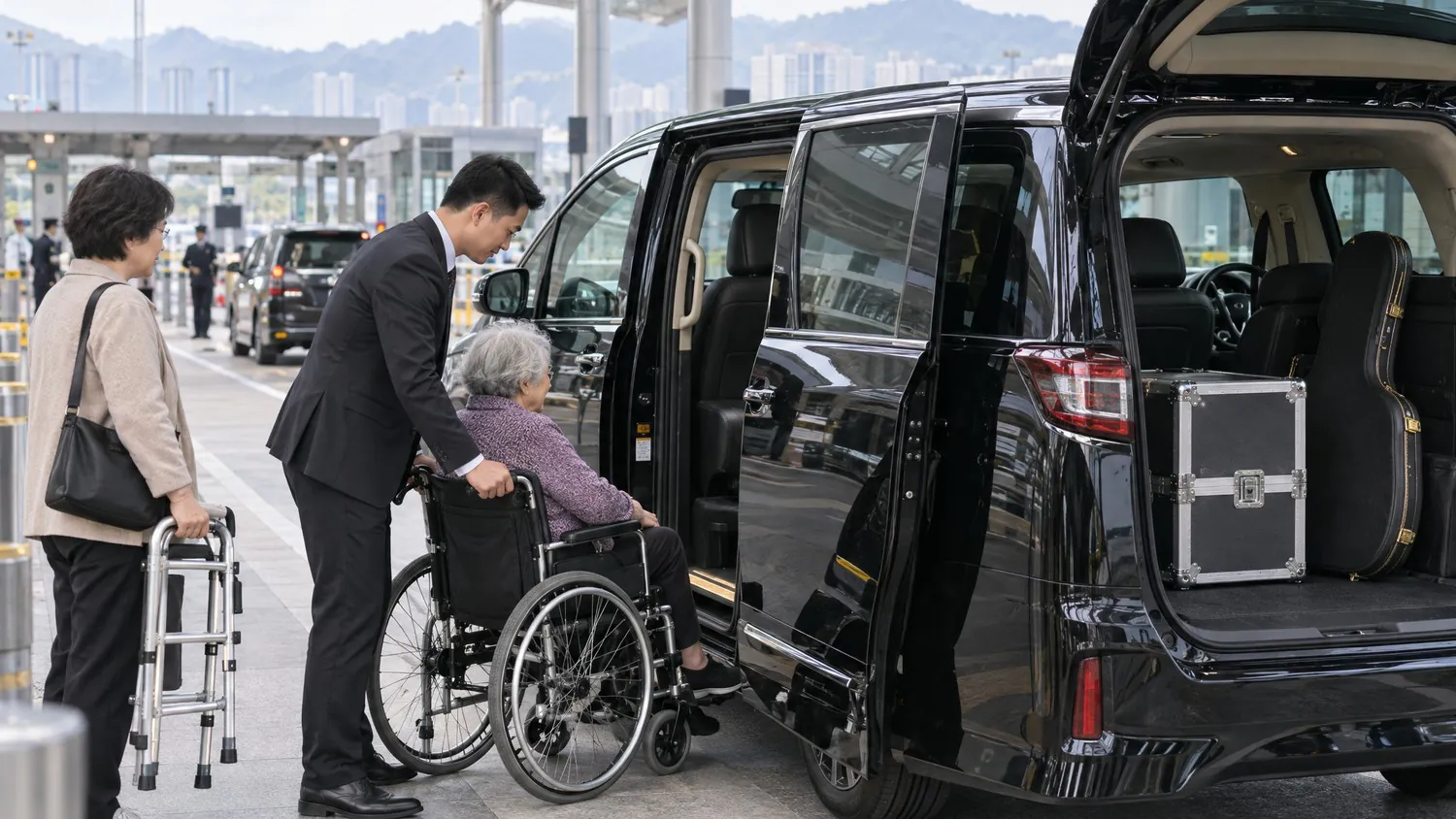
Figure 2. Travelling with a wheelchair user and a large sample case: boarding and securing need to be arranged in advance
Sample cases and exhibition materials
For exhibitions and client visits, sample cases, display stands and printed materials are numerous and boxy, and they take up more room when stacked than expected. Customs is the part to think about most: personal effects for reasonable personal use and goods for commercial use are not treated the same way. Entering the Mainland, the duty-free allowance applies to personal effects only and may not be used for commercial purposes, and an item being within the allowance does not mean it may be brought in at all. If samples are numerous or valuable, check whether they need to be declared rather than dealing with it at the border.
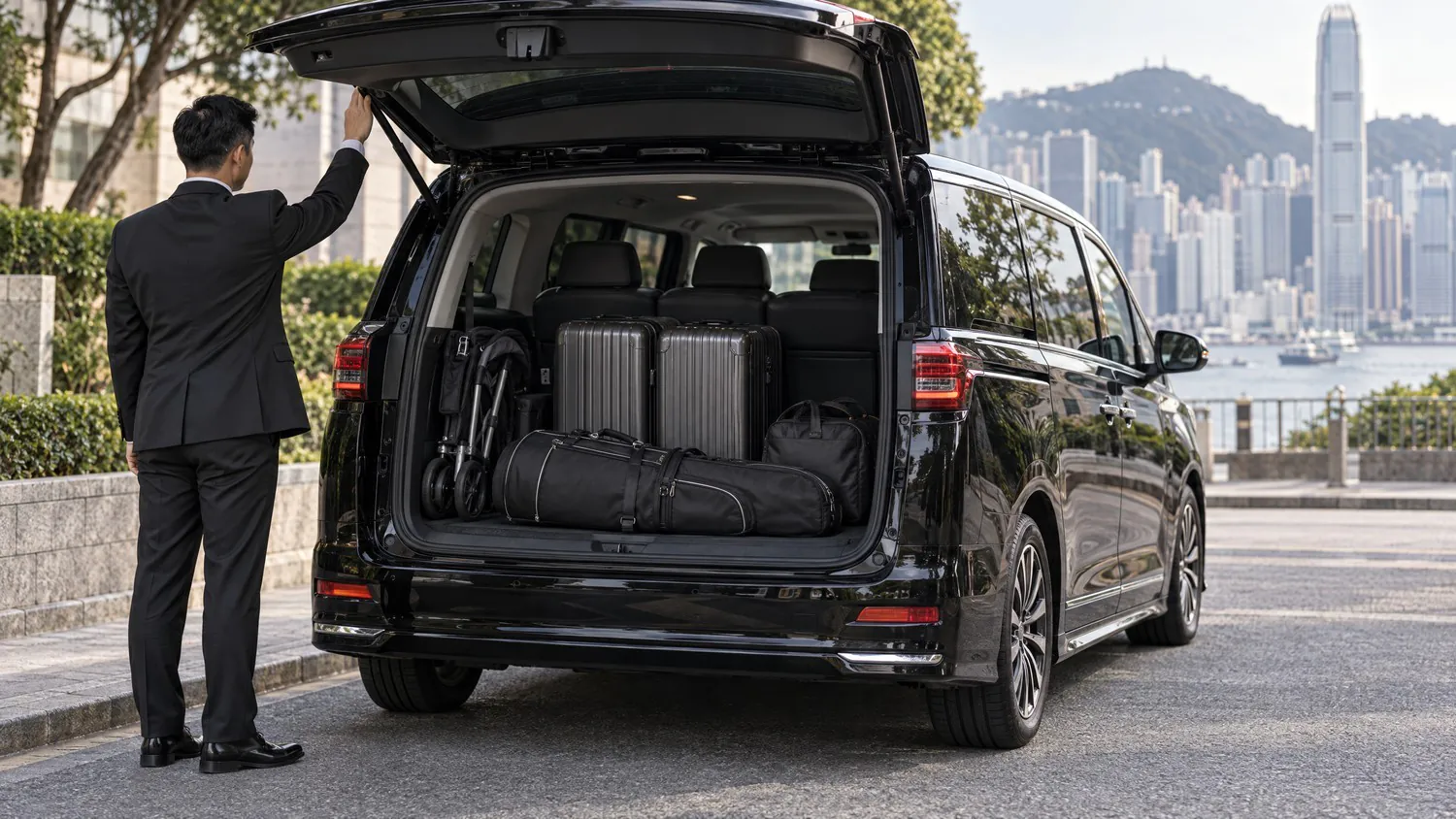
Figure 3. The boot with the seats folded: golf bag laid flat, suitcases side by side, space confirmed before departure
查詢時請提供這幾項資料
| What to provide | 具體內容 | 為甚麼重要 |
| Passengers | Adults, children, child seats needed | Determines seating and child seat arrangement |
| Luggage | Number of large and cabin bags, largest size | Determines whether the boot is sufficient |
| Space-taking items | Golf bags, instruments, strollers, wheelchairs, sample cases | May require folding seats or a larger vehicle |
| Itinerary | Date and time, pick-up and drop-off points, one-way, return or multi-day | Determines waiting time and routing |
| Special needs | Elderly passengers, wheelchair users, boarding assistance | Requires extra time and assistance |
Before you cross the border
The more luggage you carry, the more the customs rules matter. Entering the Mainland from Hong Kong or Macau, resident travellers aged 18 or above may bring personal effects acquired outside for reasonable personal use with a total value of up to RMB 12,000 duty free. At control points with a duty-free shop, purchases there may be combined with those personal effects up to RMB 15,000. Tobacco products and alcoholic drinks have their own duty-free limits. Frequent travellers (more than one entry within 15 days) and travellers under 18 are only granted duty-free clearance for necessities of the journey.
Entering Hong Kong, travellers aged 18 or above may bring in duty free 1 litre of alcoholic drinks with an alcohol content above 30% by volume, and either 19 cigarettes, or 1 cigar (up to 25 grams in total if more than one), or 25 grams of other manufactured tobacco. Hong Kong identity card holders must have been away from Hong Kong for at least 24 hours to use the alcohol concession. Note that no duty-free concession applies to any dutiable goods for trade, business or commercial purposes: those must go through the red channel and be declared. Cross-border drivers are not entitled to the concession either. This matters especially when samples are involved.
The above is a summary only; the actual treatment depends on the type and quantity of items and the control point. Confirming with customs or with the service team before departure is far easier than sorting it out at the border.
Choosing the vehicle
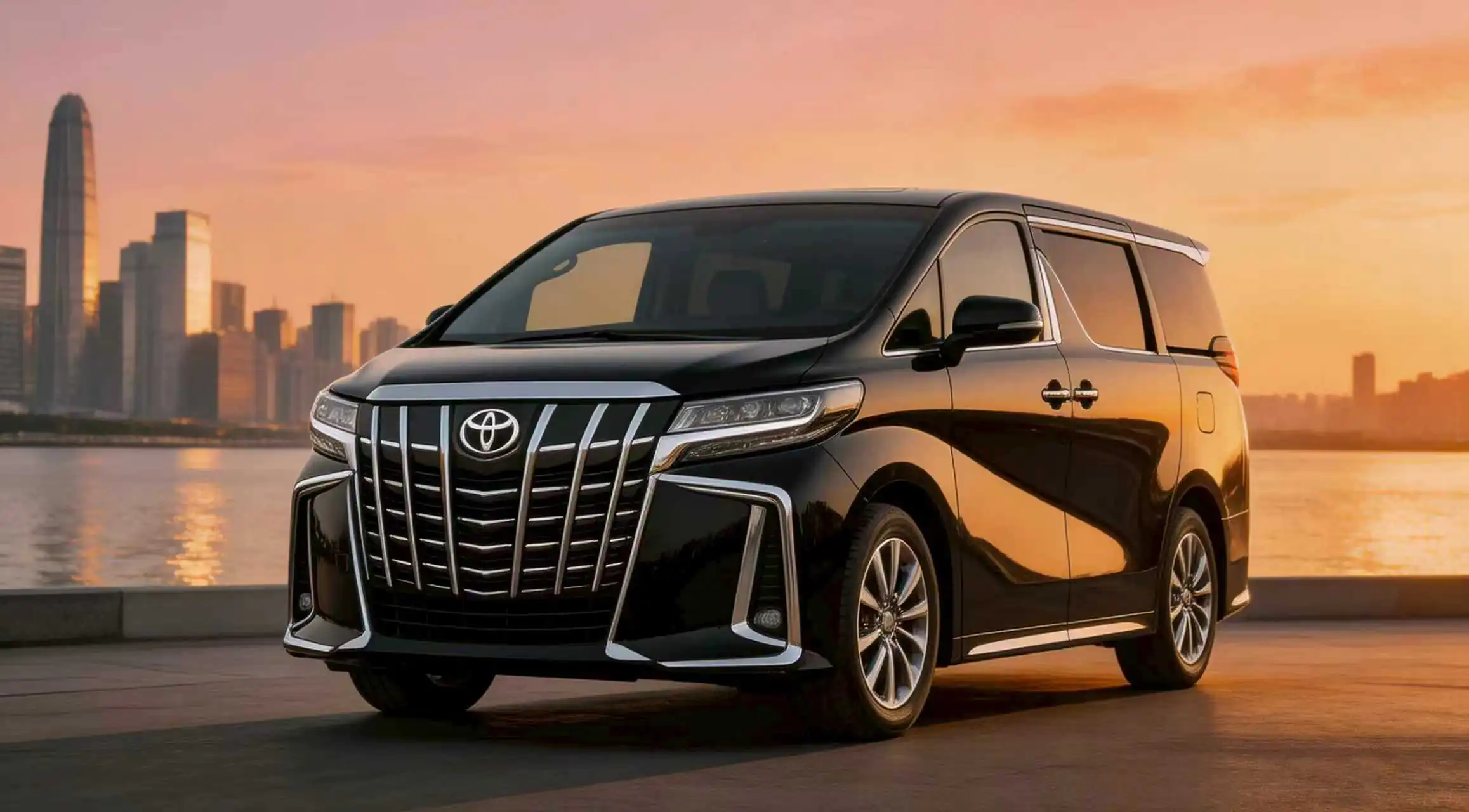
For families of three to six with luggage and a stroller, the Toyota Alphard is the more comfortable choice. For two or three passengers who value a business feel and privacy, the Mercedes-Benz V-Class suits better. If there is a lot of luggage, or a wheelchair user is travelling, tell us when booking so that space and assistance can be arranged.
Many cross-border trips Tiger Limo handles are exactly this shape: few passengers, a lot of luggage. Explain the types and quantities of luggage in one go and the arrangement becomes far more accurate. Get the luggage right, and half the journey is already smooth.
References
[1] Nanjing Customs: Taxation rules (duty-free allowance for resident travellers entering, RMB 12,000 and 15,000 for entry from Hong Kong and Macau): http://nanjing.customs.gov.cn/nanjing_customs/ztzl63/tszt/jcjlktglc/zsgd/index.html
[2] Hong Kong Customs: Duty-free concessions (tobacco and alcohol limits for arriving passengers, cross-border drivers and commercial use): https://www.customs.gov.hk/tc/service-enforcement-information/passenger-clearance/duty-free-concessions/index.html
[3] Shenzhen Municipal Government: Clearance for passengers with special needs, details to check when booking wheelchair assistance: https://ka.sz.gov.cn/xxgk/qt/zyts/content/post_12234329.html