
News & Updates
Which Border Crossing Should You Take? Comparing Huanggang, Shenzhen Bay, Liantang, Man Kam To and the HZMB


When people plan a cross-border trip, the question we hear most often is a simple one: which crossing is the fastest? There is no single answer. Heading for Futian is a different journey from heading for Nanshan, and the best choice at eight in the morning can be the wrong one at eleven at night. Three things decide it: where you are going, when you set off, and who is travelling with how much luggage.
Since 12 October 2026 there is a new variable. The rebuilt Huanggang Port opened at 6:30 that morning, providing 24-hour clearance for passengers and passenger vehicles. At the same time, passenger clearance ended at the Lok Ma Chau Control Point on the Hong Kong side and at the old temporary Huanggang terminal in Shenzhen, and the shuttle bus that linked the two stopped running.[1] The familiar routine of taking the shuttle bus and queuing at Huanggang no longer exists.
Start with the opening hours
Opening hours are the hardest constraint. However smooth the route, a closed gate is a closed gate, so look at the clock before you look at the map. The times below cover passenger clearance on both sides of the boundary; it is worth checking once more before you travel.
| Control point | Passenger clearance hours | Clearance arrangement |
| New Huanggang Port (to Futian, Shenzhen) | 24 hours | Co-located clearance, one-stop joint inspection |
| HZMB Hong Kong Port (to Zhuhai, Macao) | 24 hours | Co-located clearance |
| Shenzhen Bay Port (to Nanshan, Bao'an) | 06:30 至 24:00 | Co-located clearance |
| Luohu Port (to Luohu, Dongmen) | 06:30 至 24:00 | Two-stage clearance, walk across the bridge |
| Lok Ma Chau Spur Line / Futian Port (to Futian) | 06:30 至 22:30 | Two-stage clearance, walk across the bridge |
| Liantang / Heung Yuen Wai (to Liantang, Longgang) | 07:00 至 22:00 | Two-stage clearance, drive-up access |
| Man Kam To Port (to eastern Luohu) | 07:00 至 22:00 | Two-stage clearance |
| West Kowloon High Speed Rail Port (to mainland cities) | 06:30 至 23:30 | Co-located clearance |
Futian and Luohu: the new Huanggang Port or Futian Port
If your destination is a shopping mall, exhibition centre or office in Futian, the Lok Ma Chau Spur Line has long been the easiest route. You step out of the MTR Lok Ma Chau station straight into the control point, walk across the bridge into Futian Port, and connect to Shenzhen Metro Line 4. Its limitation is the clock: it closes at 22:30, and crowds build up in the early evening and on public holidays, when queues lengthen noticeably.
The new Huanggang Port fills that gap. It runs around the clock, and passengers queue once in a single hall while Hong Kong and Shenzhen formalities are completed together. Officials expect the overall clearance time to fall from around 30 minutes to about five.[1] For a late-night departure, an early-morning arrival, or an itinerary that slips past midnight, it is currently the only land crossing still open. Note that there is no public car park on the Hong Kong side of the port, so drivers need public transport or a pre-booked transfer.
Nanshan, Bao'an and Shenzhen Airport: Shenzhen Bay is the natural route
Shenzhen Bay Port sits at Shekou. Once through, the road links straight to the Shenzhen Bay Bridge and the Coastal Expressway, making it the most direct option for Nanshan, Bao'an, Qianhai and Shenzhen Airport. It uses co-located clearance, so both sets of formalities happen in the same building with short walking distances, which suits travellers with luggage. Passenger clearance runs until midnight while freight operates around the clock, so late-night crossings are not possible here; for an early flight, or an arrival after midnight with a journey north, the new Huanggang Port remains the answer.
Zhuhai, Zhongshan and Macao: the Hong Kong–Zhuhai–Macao Bridge
For the western shore of the Pearl River, the HZMB Hong Kong Port is the only sensible land route. The bridge operates 24 hours a day, and the drive from the Hong Kong port to the Zhuhai port takes about 40 minutes, which serves Zhuhai, Zhongshan, Jiangmen and Macao.[2] Entering Macao over the bridge involves separate Macao immigration arrangements, so the trip is planned differently from a straightforward journey north; it helps to state your final destination when booking.
Living in eastern Hong Kong: the case for Liantang / Heung Yuen Wai
For travellers from Sha Tin, Tai Po, Fanling and Sheung Shui, Liantang is often quicker than heading south to another crossing. Heung Yuen Wai is Hong Kong's first drive-up land crossing: private cars can pull up at the terminal building, and the road network on the Shenzhen side connects towards Liantang, Longgang and Huizhou. The crossing operates from 07:00 to 22:00, closing earlier than the other main Shenzhen crossings, so plan the return leg with that in mind.
Avoiding the crowds: Man Kam To
Man Kam To sits in the east of Luohu district and handles the lightest traffic of the group, with only a few thousand passengers and around two thousand vehicles a day, so clearance is usually smooth.[3] It keeps the same 07:00 to 22:00 hours and suits travellers who would rather skip the queue and do not need a late-night crossing. The trade-off is fewer connections: public transport is less frequent than at Luohu or Futian, which makes it less convenient if you are travelling on your own.
Late night and early morning: only two options remain
After midnight, Luohu, Shenzhen Bay, Liantang, Man Kam To and Futian have all closed. Only the new Huanggang Port and the HZMB Hong Kong Port stay open. The 24-hour passenger service at the Lok Ma Chau Control Point, which many people relied on, ended on 12 October 2026, and that matters when arranging a pre-dawn transfer.
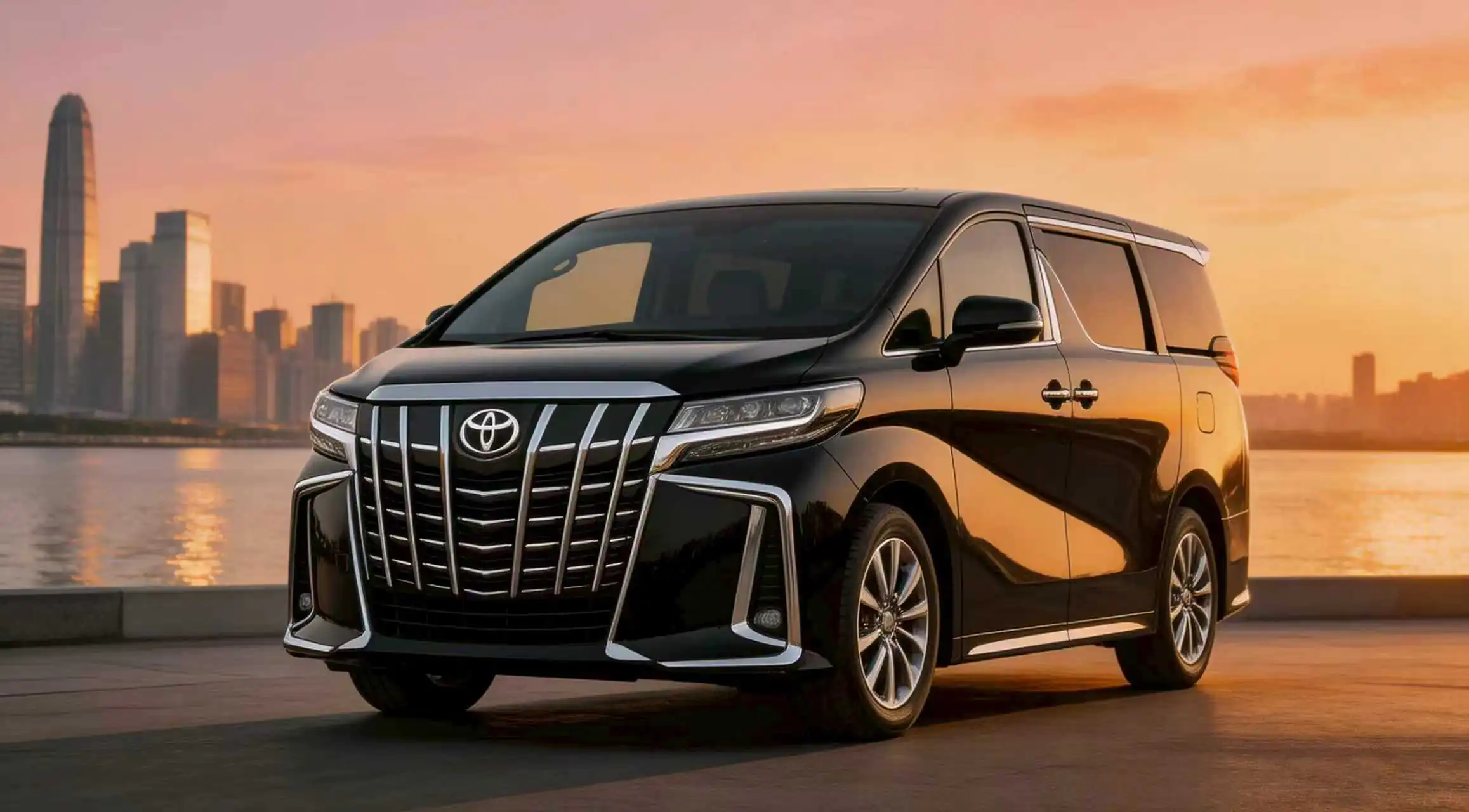
Image 1. With the new Huanggang Port open, cross-border cars can travel to and from Futian around the clock.
The hour matters more than the crossing
The same port can feel completely different at different times. On weekdays, the 07:00 to 09:00 window carries commuters and schoolchildren, and Luohu and Futian see their heaviest passenger flows. On Friday evenings, northbound traffic peaks and the vehicle queues at Shenzhen Bay and Futian tend to be longest. On Sunday afternoons and early evenings the pressure reverses, concentrated on the inbound direction. On the first and last days of a long holiday, both directions push at once, and cross-border cars may need considerably longer to clear the lanes.
To see how things stand on the day, check the Security Bureau's Port Status page or the Immigration Department's mobile app before setting off. Both show each crossing in green, amber or red: green usually means under 15 minutes, amber under 30 minutes, and red 30 minutes or more.[4] Watching the colour change an hour or two ahead is often enough to decide whether to switch to another crossing.
Does it make a difference for a chauffeur-driven car?
Yes. Vehicles and foot passengers do not follow identical procedures, and the difference comes down to whether you step out of the car and where you get in and out. At co-located crossings, the vehicle and its passengers complete both sets of formalities in the same area, which keeps the process compact. At two-stage crossings, the vehicle and its passengers clear each side separately, and passengers may be asked to step out along the way. For families travelling with elderly parents, young children or several suitcases, that difference is noticeable.
Lane arrangements, drop-off points and waiting areas also vary from port to port, and some crossings have rules about vehicle types and permitted hours. If your itinerary runs into the small hours, or you need to collect companions arriving through different crossings, mention it when you book so the team can suggest the most practical route for that day.
Opening hours and traffic conditions change with circumstances, and this article does not quote fixed prices; please confirm the details of your itinerary and a quotation with our team. Tiger Limo provides chauffeur-driven cross-border transfers across Hong Kong, Shenzhen, the wider Greater Bay Area and Macao, and will recommend the most suitable crossing and vehicle based on your destination, departure time, group size and luggage.
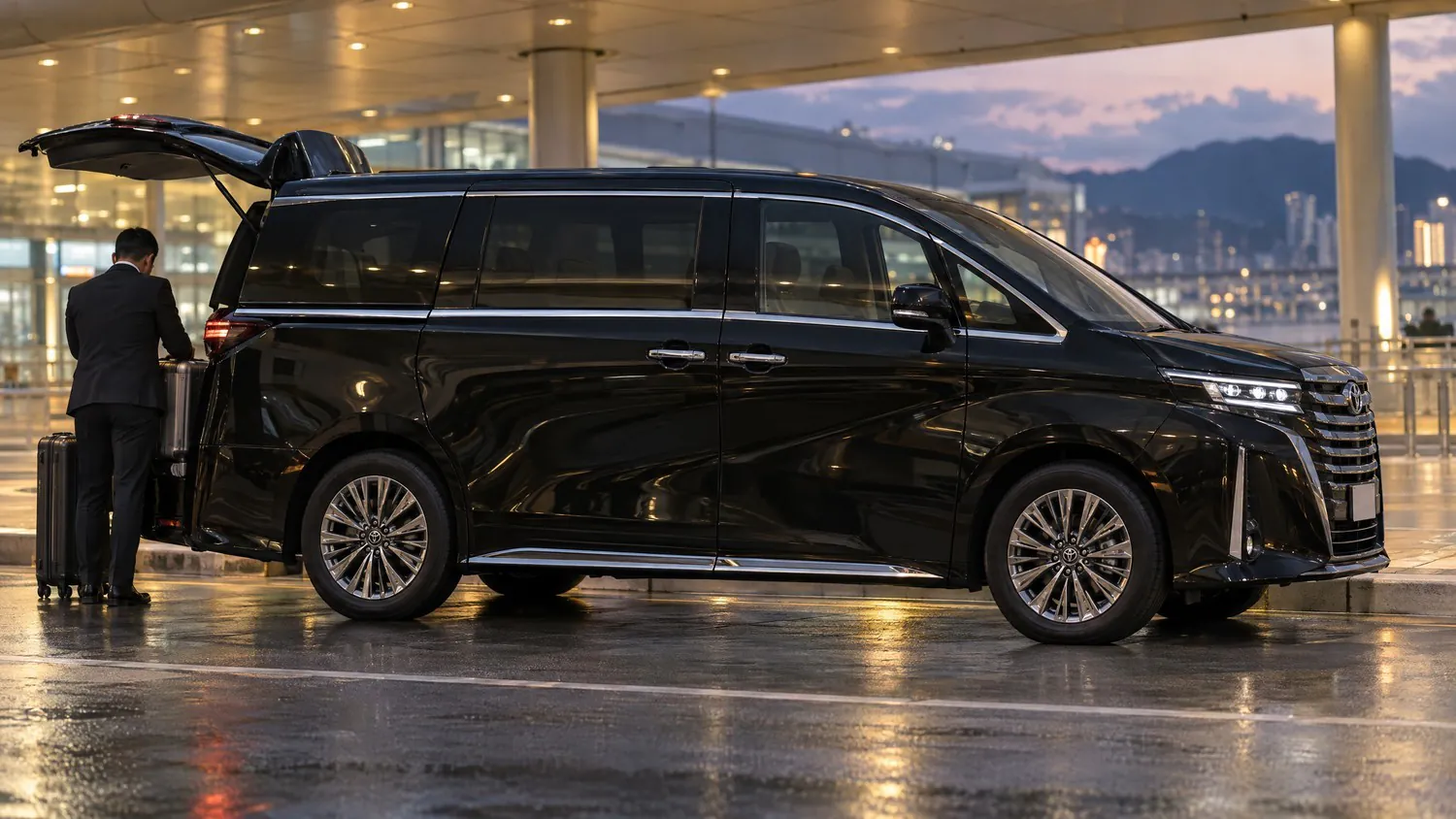
Image 2. Suitcases and sample cases are loaded in layers so that hard cases do not press on one another, which makes unloading easier too.
References
[1] Government of the Hong Kong Special Administrative Region, Press Release: Cross-departmental coordination ensures a seamless transition between the old and new Huanggang Ports (9 October 2026):https://www.info.gov.hk/gia/general/202610/09/P2026100900649.htm
[2] Hong Kong–Zhuhai–Macao Bridge: bridge overview and 24-hour clearance arrangements: https://www.hzmb.gov.hk/
[3] Port Office of the Shenzhen Municipal People's Government: Port clearance services: https://ka.sz.gov.cn/bmfw/katgfw/
[4] Security Bureau, Government of the Hong Kong Special Administrative Region: Port Status (real-time conditions): https://www.sb.gov.hk/chi/bwt/status.html