
News & Updates
Drive North Yourself or Book a Cross-Border Car? What the Booking Rules, Queues and Time Costs Really Look Like

Under the Northbound Travel for Hong Kong Vehicles scheme, Tuesdays and Wednesdays need no booking, every other day and every public holiday does, and the only road crossing is the HZMB.
You have a car, you have been approved under the Northbound Travel for Hong Kong Vehicles scheme, and a weekend lunch in Zhuhai sounds simple enough. Leave whenever you like, fill the boot with luggage, no timetable to follow. Then you start planning properly and the list grows: the ballot, the booking, the queue at the port, parking and road conditions on the mainland. This article does not argue that one option is better than the other. It sets out what each one actually asks of you, so you can decide by your own circumstances.
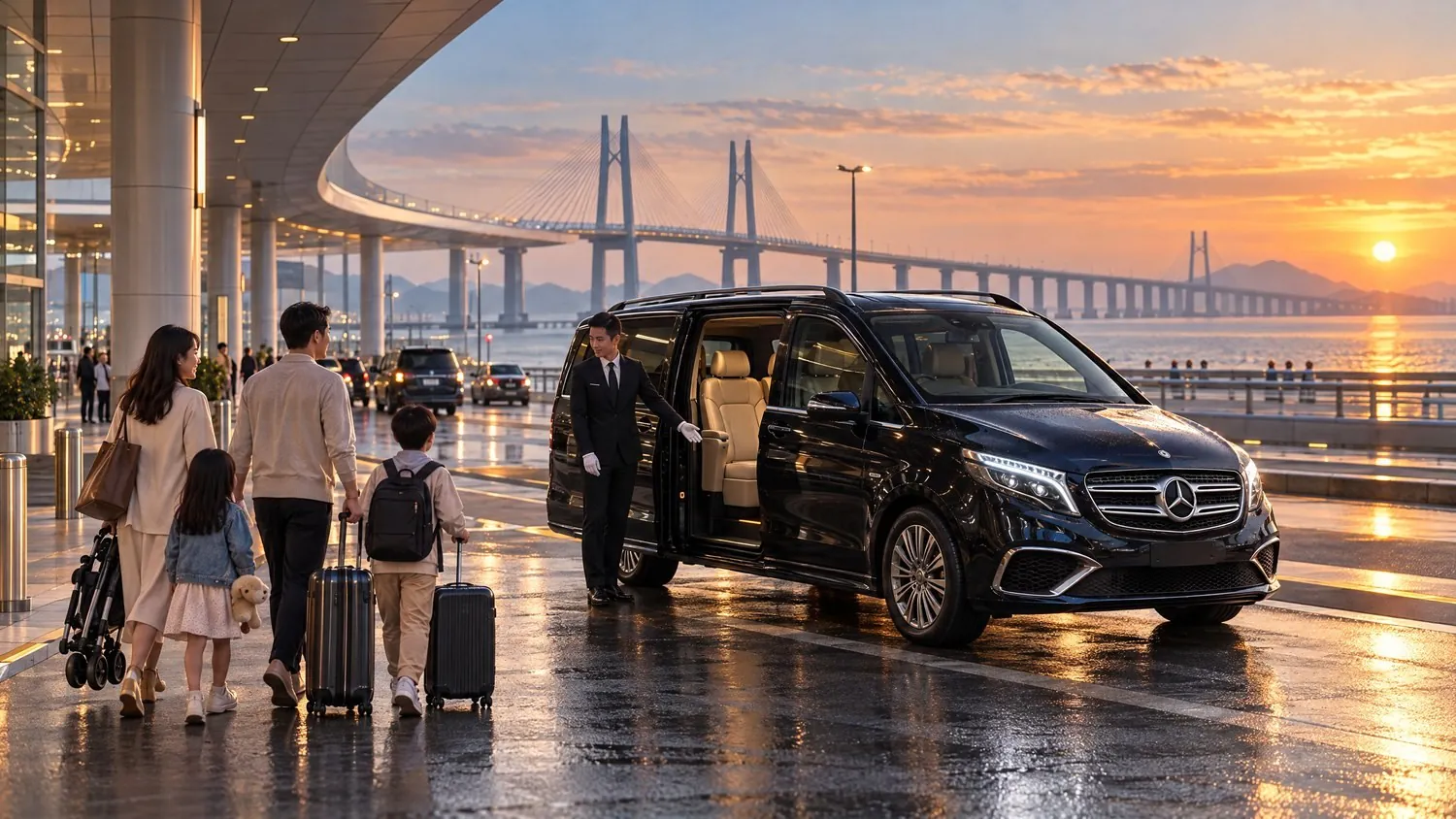
Figure 1. Hong Kong Port of the HZMB: a chauffeured cross-border car takes you door to door, with luggage travelling in the same vehicle.
Owning a car does not mean you can drive north any day
The scheme is designed for non-commercial private cars. The applicant must be the registered owner, the car must be held in a personal name, seat eight people or fewer, measure under six metres, and hold a valid Hong Kong vehicle licence. Cars that are six years old or more need a valid inspection certificate when applying. Each car may nominate up to two drivers, and both must hold a Home Return Permit plus both Hong Kong and mainland driving licences.
The application itself is free, but places are allocated by computer ballot. The Transport Department accepts 500 applications per working day, ballots are drawn roughly every two weeks, and successful applicants must submit their application within a designated 13-day window before both governments review it. In other words, there is administrative lead time between deciding to drive north and actually being allowed to cross. It is not a tomorrow-morning decision.
What really decides your travel date is the booking system
Even with valid permits, not every day is open. As things stand, Tuesdays and Wednesdays need no booking, except on designated days. Mondays, Thursdays to Sundays, and all designated days, must be booked in advance. Designated days cover Hong Kong and mainland public holidays and the days before them, as well as days when the bridge toll is waived.
Bookings must be completed by 12 noon on the calendar day before travel, on a first-come, first-served basis. This is what hurts spontaneous plans most: if you want to go on a Sunday evening, you effectively have to decide by Friday noon.
Take October and December this year as examples. 13 and 14 October, a Tuesday and Wednesday, need no booking. The Chung Yeung long weekend from 17 to 19 October does, with 18 October being the day before a holiday and 19 October the holiday itself. 8 and 9 December need no booking, while the Christmas period from 24 to 26 December is fully booked-only. If your trip lands on a holiday, treat the booking as the first item on your itinerary.
The return leg is easier: driving back from the mainland to Hong Kong requires no booking. That does not mean it will be quick. The evening of the last day of a long holiday is usually the hardest return window of the year.
One more thing worth knowing: a booking is not something you can simply abandon. Travelling on a designated day without a booking, or booking and not travelling, is recorded. Repeated breaches within a year can lead to your booking rights being suspended, and in serious cases your eligibility being revoked. If you drive north often, that record is worth protecting.
The port reality: one bridge, but queues that vary enormously
The only designated road crossing for the scheme is the Zhuhai Highway Port of the HZMB. That cuts both ways. The route is unambiguous and you never have to choose a port. But every vehicle funnels through the same bridge and the same port.
Off-peak on a weekday, the one-stop clearance for passenger cars can be quick, with a single car cleared in about a minute. What actually decides your experience is whether a queue has already formed outside the port. Based on this year's pattern, Saturday mornings to early afternoon are the most common busy window heading north, where one to two hours of queuing is a reasonable expectation. On the last evening of a long holiday, the elevated road from downtown Zhuhai to the port has seen queues several kilometres long, with waits of two to four hours recorded.
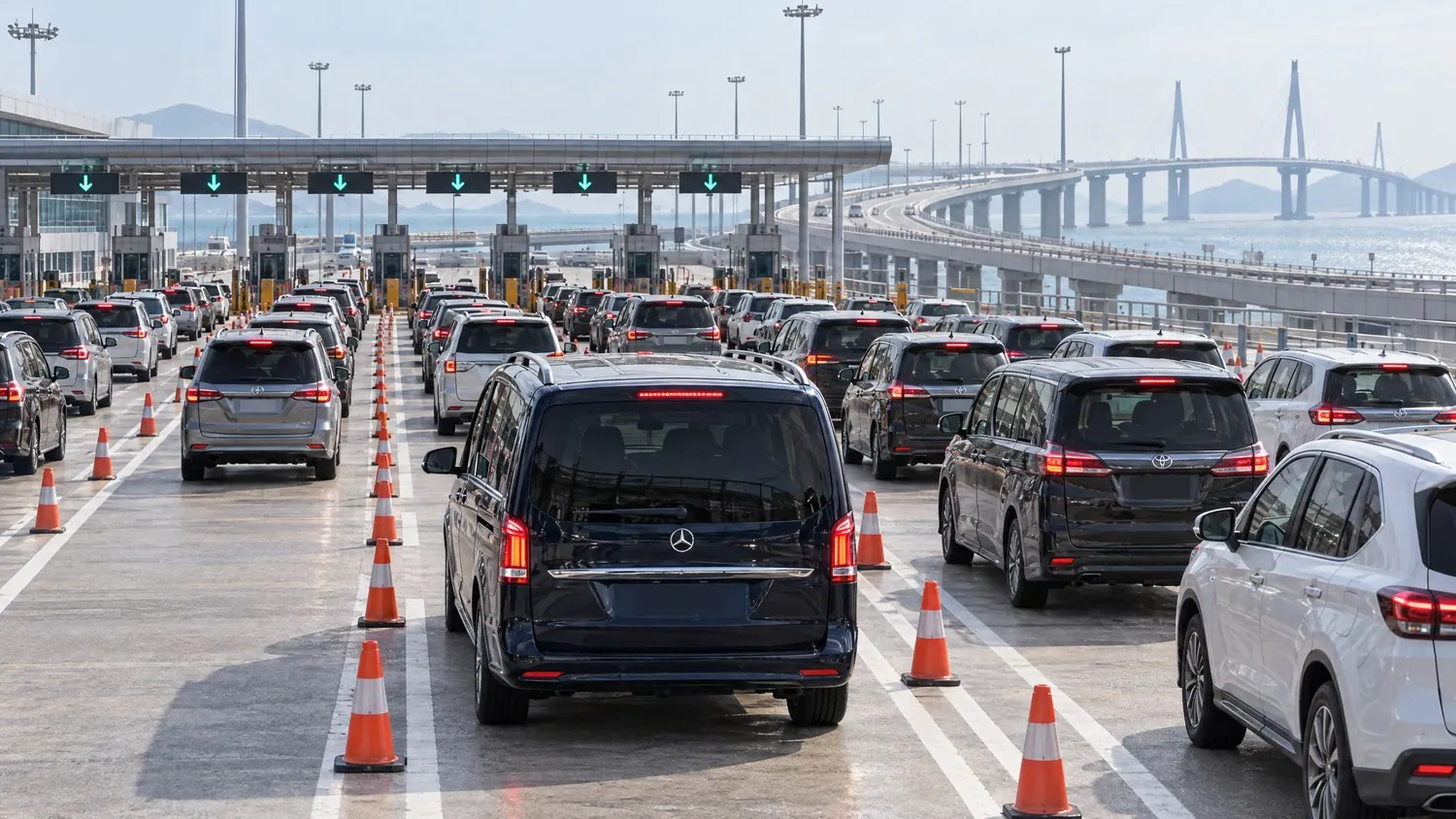
Figure 2. Queues at the port: Saturday morning to early afternoon is the busiest window heading north, and off-peak timing makes the biggest difference.
There is also a detail people overlook. At clearance, everyone except the driver gets out and walks to the accompanying passenger hall. If you are travelling with elderly relatives or young children, the whole process will be slower than a car with two adults, and that needs to be built into your timing.
So the most practical preparation is not memorising the rules. It is checking the port's live clearance information before you leave, and avoiding the middle of Saturday. Travelling at off-peak hours pays off more than most people expect.
Two kinds of cost: fixed spending and time
Self-driving costs fall into two groups. The first is fixed: vehicle inspection, insurance, maintenance. None of it depends on how often you go north. The second is per trip: the bridge toll is RMB 150 each way, roughly RMB 300 return, plus fuel, mainland parking, and the time spent hunting for a space.
The real threshold is how many times a year you travel. If you go north three to five times a year, the fixed costs spread across each trip look heavy, and the flexibility you gain may not be worth much. If you cross almost every week, the marginal cost of driving yourself drops considerably.
Time is the second ledger. Leaving home, queueing at the port, finding your way after clearance, parking at the destination: much of this is outside your control. When you are travelling with a family, that time usually matters more than the fare.
When a chauffeured car makes more sense
Not every trip suits self-driving. In the following situations, a chauffeured car is usually the easier option.
More than four people, and plenty of luggage. Five or more passengers with luggage will find an ordinary sedan tight, with bags ending up on laps. This is where a seven-seat MPV earns its keep.
Travelling with elderly relatives or young children. Boarding, clearing the border, walking to the passenger hall: every step costs energy. Door-to-door service with luggage kept in the car removes most of that.
Destinations beyond the port. If you are heading to Zhongshan, Shunde, Dongguan or anywhere outside central Zhuhai, that is another one to two hours of driving from the port, plus parking and navigation.
A dinner with drinks on the itinerary. There is no way around this one. If you have been drinking, you should not be driving.
Unfamiliar mainland roads. Traffic drives on the right, and the elevated roads and junctions near the port are complex. For a first trip north, the most common mistake is not traffic, it is taking the wrong lane.
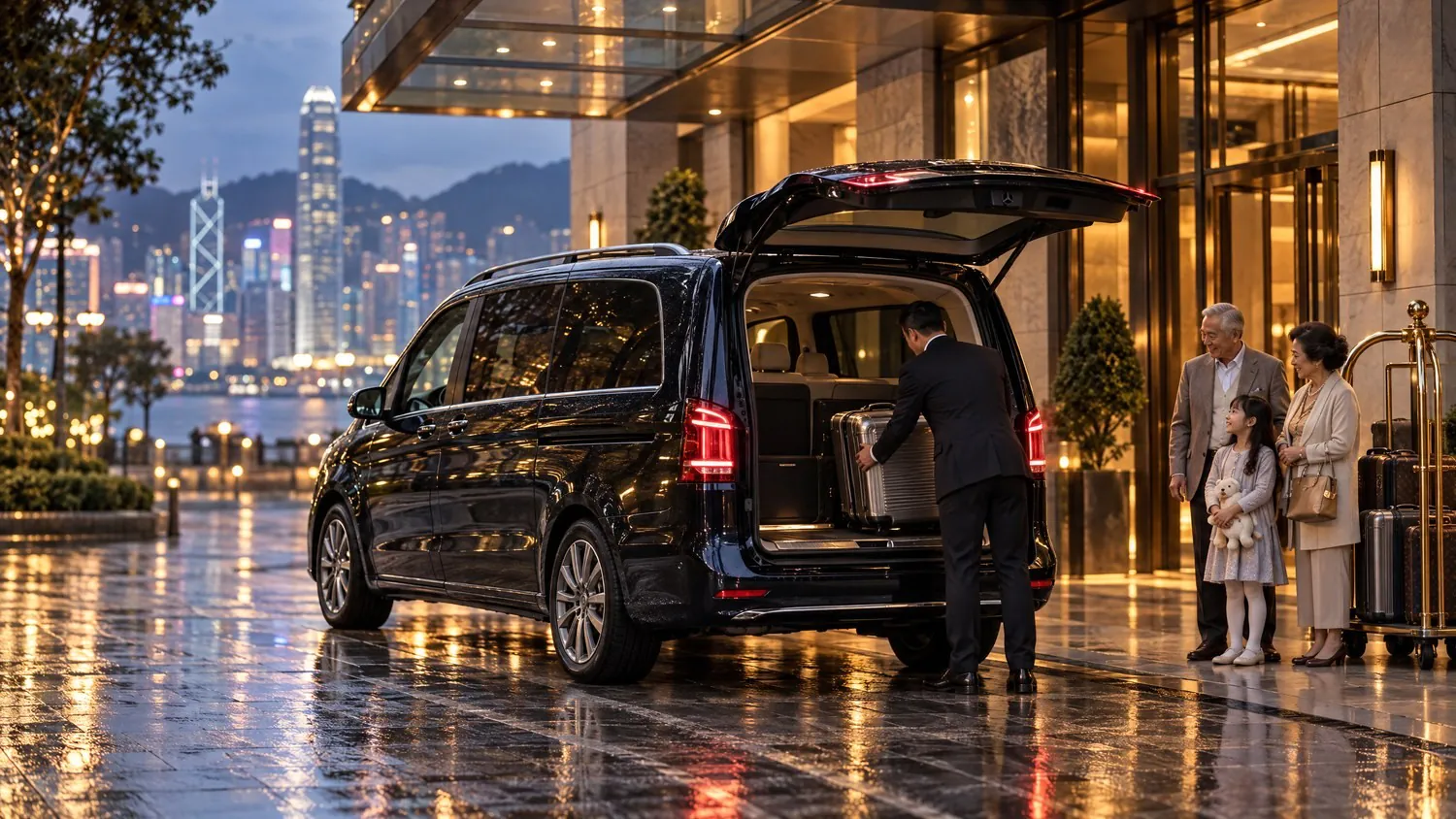
Figure 3. Door-to-door service with luggage kept in the car: nobody, young or old, has to carry bags through the border.
Common misconceptions
"I have the scheme approved, so I can drive north whenever I like." Not quite. Designated days require a booking, and places are capped.
"I can cross at Shenzhen Bay or Liantang." Not at present. The scheme only permits the Zhuhai Highway Port of the HZMB.
"Nobody has to get out of the car at clearance." The driver stays, but all other passengers must get out and complete formalities.
"A chauffeured car means carrying my own luggage through the border." Luggage stays with the vehicle. Guests do not carry it.
How to choose
If your destination is close to the port, your itinerary is simple and you are comfortable driving on the mainland, self-driving north has real appeal and gives you the most control over your own time. But if the point of the trip is to start as soon as you arrive rather than to enjoy the drive itself, a chauffeured car gives back the hours you would otherwise spend queueing, navigating and parking.
Tiger Limo provides door-to-door cross-border transfers between Hong Kong, Macau and the mainland, and will recommend a suitable arrangement with a Toyota Alphard or a Mercedes-Benz V-Class based on your group size, luggage and itinerary. Whichever option you choose, planning ahead and avoiding peak hours remains the easiest step you can take.
References
[1] Transport Department, Northbound Travel for Hong Kong Vehicles: Application details: https://www.hzmbqfs.gov.hk/tc/about/
[2] Transport Department, Northbound Travel for Hong Kong Vehicles: Booking arrangements: https://www.hzmbqfs.gov.hk/tc/BookingForTravel/
[3] HZMB bridge toll information: https://www.hzmb.gov.hk/tc/notes.html