

News & Updates
Guangzhou Design Week 2026: Planning Point-to-Point Transfers Across Multiple Venues

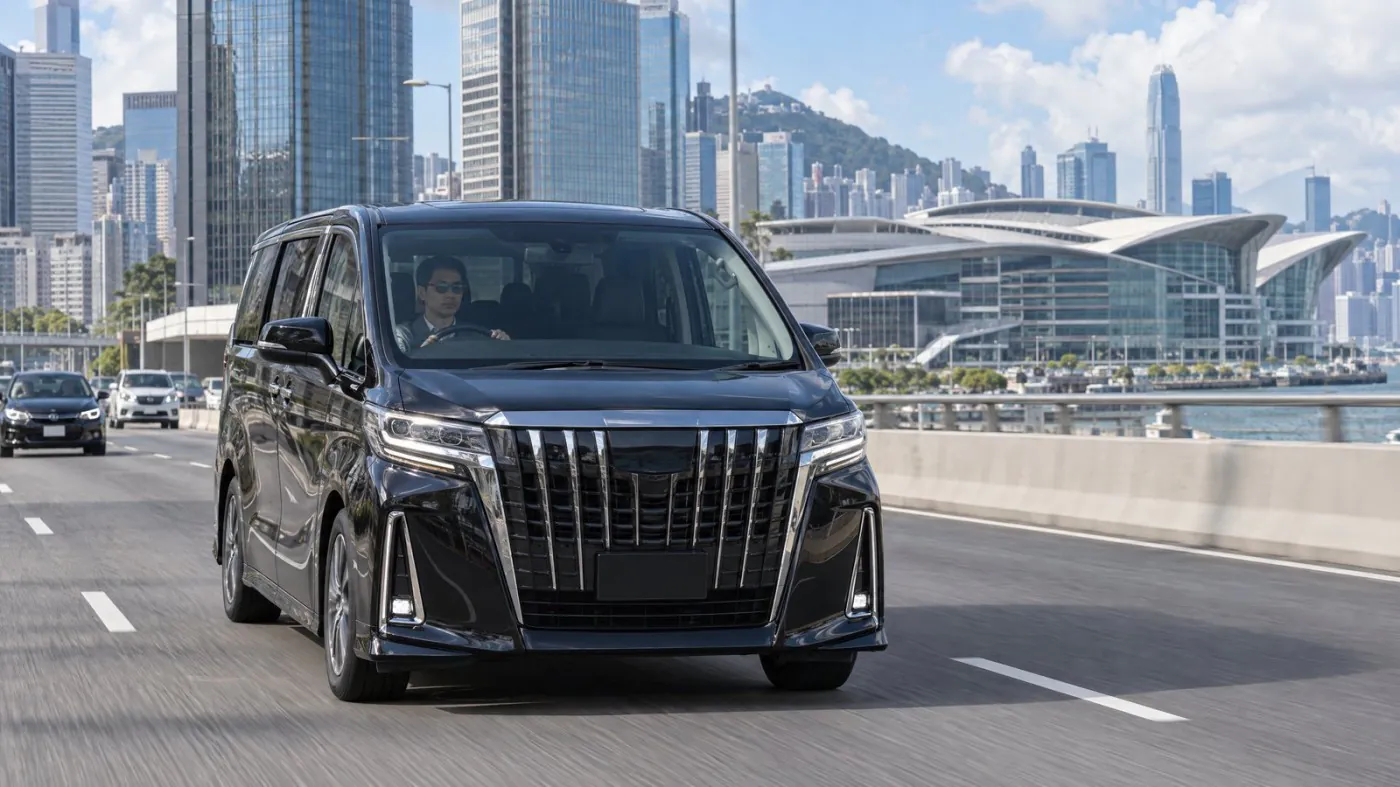
The Real Challenge at a Multi-Venue Fair Is Sequencing, Not Driving Time
Guangzhou Design Week 2026 runs from 4 to 8 December and spans several venues, with exhibition halls, design parks, hotels and banquet venues all operating across the city at the same time. The most common mistake at events like this is not a shortage of cars but treating the day as a straight line: hall A, then hall B, then the hotel, then the evening banquet. The problem is that dwell time at each stop is never fully under your control. A buyer wants one more conversation, a designer pulls you over to see another stand. So the planning work is about priority, not driving time.
Step One: Sort Every Stop of the Day into Three Tiers
Write down every stop first, then ask of each one: if today allowed only two of these, which two? Those are your first tier, typically the occasions that need you present and sharp, such as a core meeting at the main venue or a confirmed buyer appointment. The second tier is movable: banquets, receptions, stands you could visit tomorrow. The third tier can be dropped, such as a section you only wanted a glance at. Once sorted, you will see that a day realistically holds two or three true priorities and that the rest is flexibility.
Tiering has a second benefit: you can tell clients in advance which stop might have to give way. When a buyer asks to add a meeting on the spot, you already have tier two and tier three to trade, so you neither refuse outright nor rebuild the whole day.
Step Two: Work Backwards from the Last Stop, Not Forwards from the Start
Most people fill a schedule from eight in the morning until the evening collapses. It works better the other way round: fix the final drop-off and the latest arrival time, whether that is when the banquet starts or whether you must return to Hong Kong or Shenzhen that night, and then work backwards to the latest departure time for each earlier stop. The advantage is that when one stop overruns, you immediately know what to sacrifice, rather than discovering at the end that you cannot make it.
When working backwards, express travel time between stops as a range rather than a fixed figure, because conditions on the surrounding roads vary from day to day during a fair. Write the range conservatively. If the day runs smoothly, the spare time becomes rest rather than a late arrival.
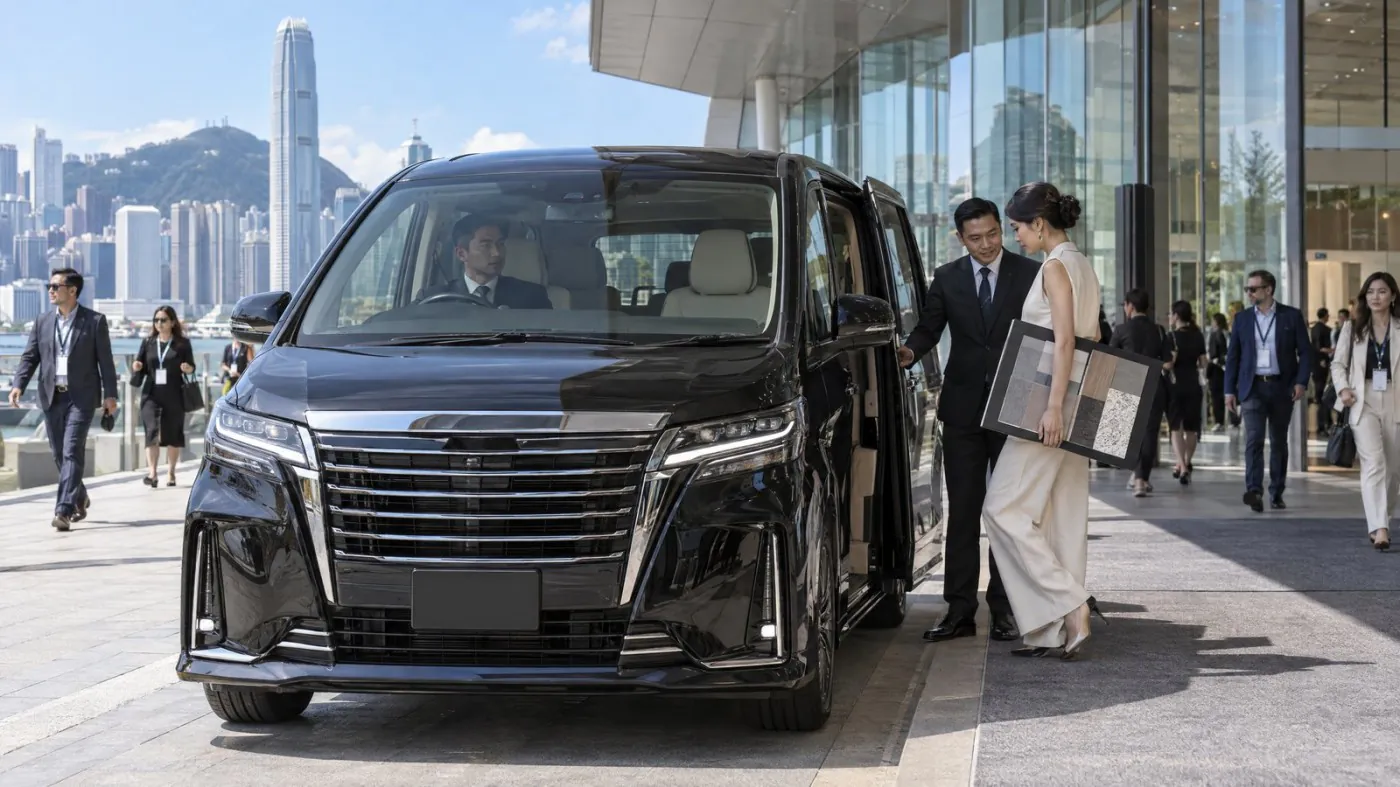
Step Three: Keep Hotel, Banquet and Buyer Meetings on One Line
If the venues, hotel and banquet venue sit in different districts, design them as one route rather than booking each leg separately. A workable approach: place the hotel mid-route rather than at the start, so guests have somewhere to drop samples, change and rest; group buyer meetings within the venue into one continuous block to cut the number of comings and goings; and leave a one- to two-hour buffer before the banquet for meetings that appear at short notice or for a return to the hotel to freshen up. As for the final stop of the day, it is best kept the same as where you are staying, so that a delay does not spill into tomorrow's schedule.
After Sequencing: Keeping One Move in Reserve
However well you sequence it, a multi-venue fair always brings last-minute changes: a buyer suddenly shifts to tomorrow morning, a venue adjusts its entry arrangements. So alongside the main line, prepare a fallback, meaning the stop you would switch to if another is cancelled. It also helps to hand over each stop's full address, venue entrance, contact person and name in both Chinese and English in one go, which removes a great deal of on-the-day messaging. For multi-stop itineraries, Tiger Limo builds the route around the priorities you have set and sets out clearly how waiting, added stops and return legs differ. Fair dates and venue arrangements are subject to the latest announcements from the organisers.