

News & Updates
A year-end client appreciation day: preparing the transfer list from office to mall to restaurant

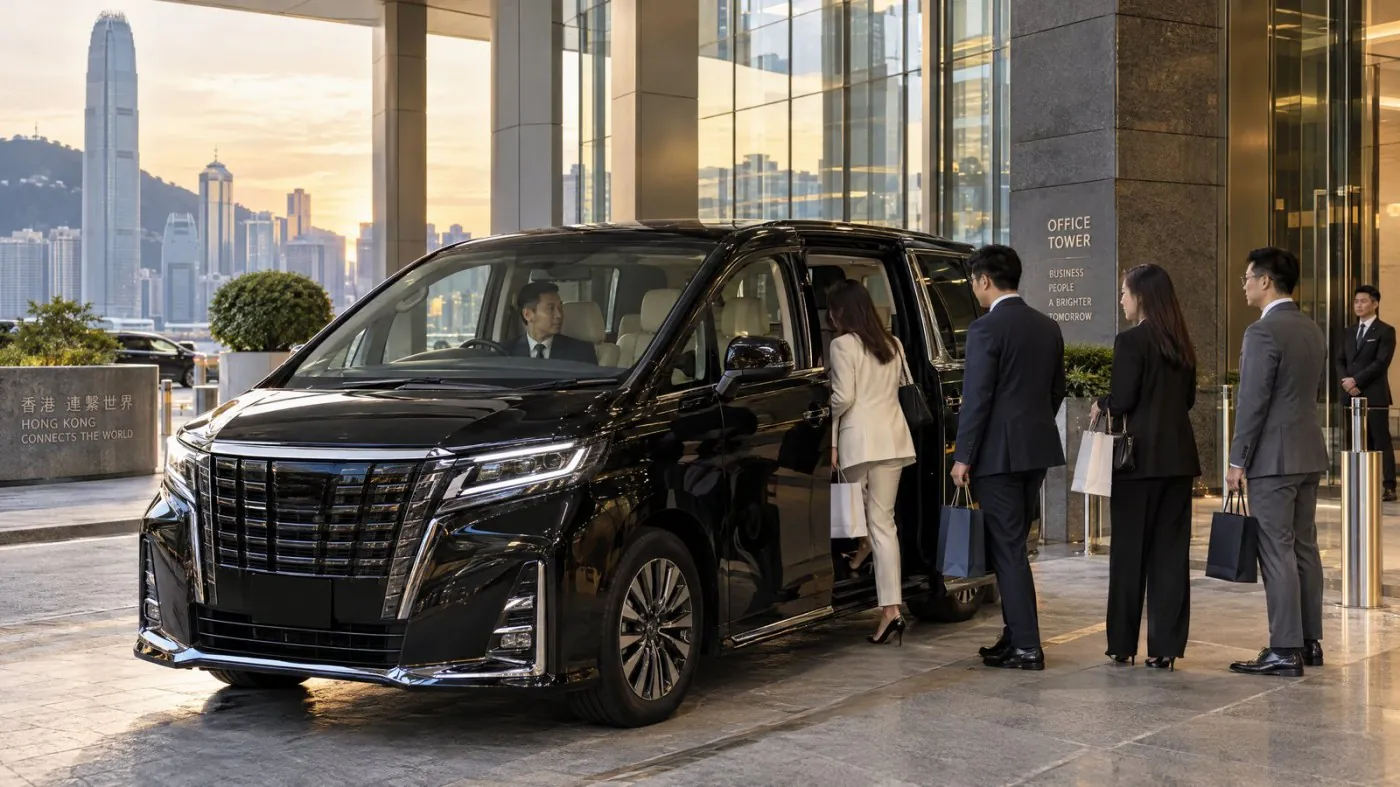
A year-end client appreciation day usually moves through several settings in one day: gathering at the office in the afternoon, then a shopping centre or an exhibition, dinner at a restaurant in the evening, and guests sent home in batches afterwards. The difficulty is not the route but the fact that numbers and times keep changing. The earlier the list is fixed, the smoother the day.
What follows works backwards through each stage. The goal of the whole exercise is simple: what reaches the administration team on the day should be one clear, workable list, not a pile of scattered messages.
Two weeks before: decide the shape of the list
Two weeks out, the point is not to confirm every name but to fix the shape of the list: roughly how many people, how many groups, which colleague leads each group, and whether anyone needs special attention — an elderly guest with limited mobility, say, or someone who has to leave early. Only when you know the approximate numbers can you decide how many cars and what seating arrangement you need.
Settle the rough route too: the order of the office, shopping centre and restaurant. Change the order and the drop-off points and times change with it, so agree this before the list is final.
If several clients are coming from the mainland, or guests will go straight from the airport or a control point to the restaurant, list those outer legs in the same fortnight, rather than discovering at the last minute that a few people have no arrangements at all.
One week before: pin down the restaurant slot and the meeting point
A week out, the restaurant booking slot should be confirmed. Ask a few questions: what time the table has to be released, whether you can be seated early, whether there is a pick-up and drop-off point below, and how long the walk through the mall to the restaurant takes.
Fix the meeting point now too, in one sentence everyone can understand, such as "half past three, by the lifts in the office tower lobby". The commonest failure is a meeting point described so vaguely that the last group stands at the wrong door.
The day before: sequence the pick-ups and plan the departure
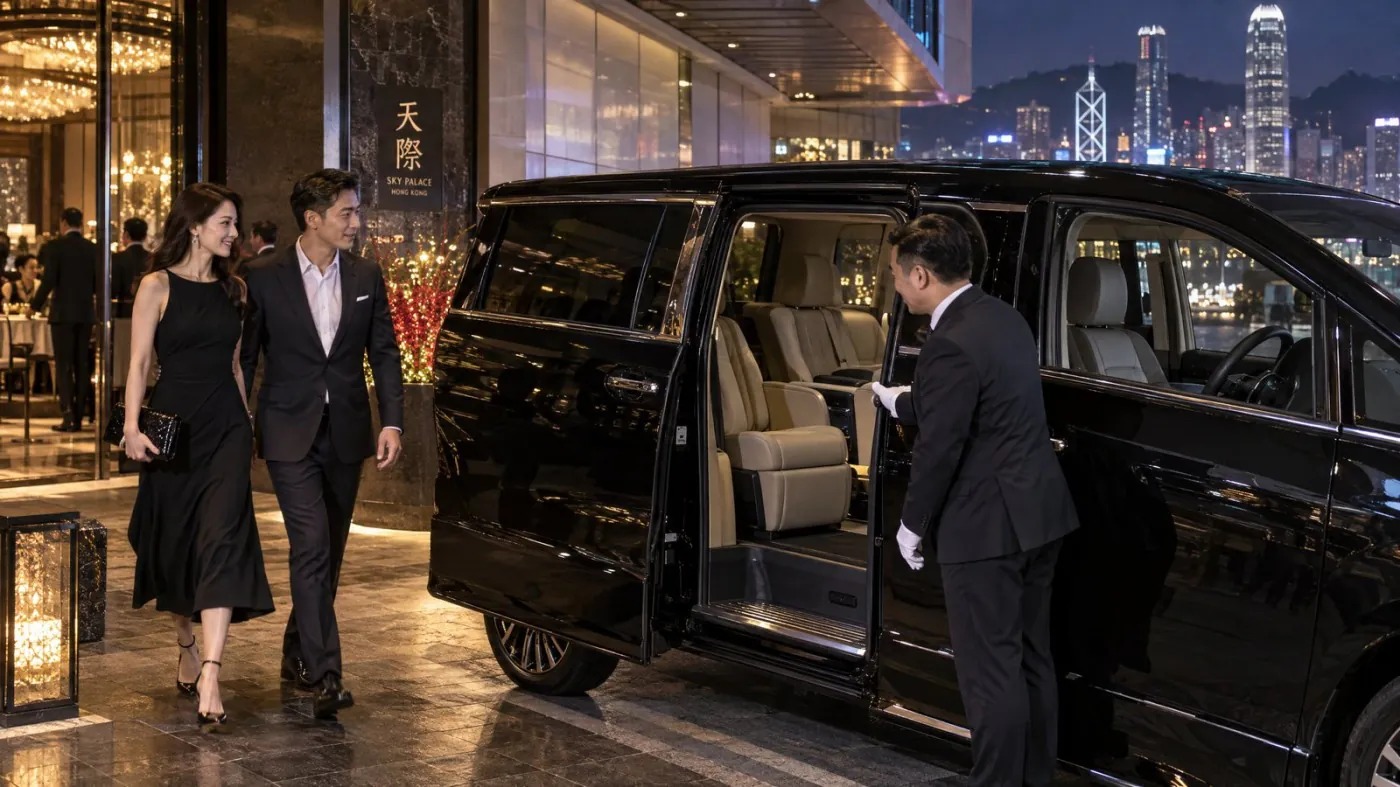
The day before, turn the order of the day into a table: which group boards first, which later, which car covers which guests, and which vehicle carries the luggage and the gifts. If two cars are collecting people from the same place at the same time, stagger the pick-up times by a few minutes so everyone does not pour out of the door at once.
Settle the departure arrangements on this day too: the expected finish time, whether anyone leaves early, and where the last group is going. Restaurant evenings usually run later than planned, so leave the tail of the schedule loose.
Also pass driver and vehicle details to the group leaders: which group is in which car, where the car waits at the mall, and which number to call if they cannot find it. These lines look trivial, but they are exactly what gets asked at the end of the night.
On the day: someone has to be on the ground taking names
The most important thing on the day is not the car but the person. Have one colleague responsible for the roll call and for directing people, standing near the pick-up point and confirming each group's numbers. They should have a sheet listing groups, names, car numbers and destinations.
Another practical step is a group leader for each group, reporting "all present" or "one missing" to the checker. That way one person is not coping with dozens of guests, and the chance of a mistake is much lower.
The stretch after the party is where things slip
The first half of many events runs well; the problems come at the end: dinner finishes late, some clients want one more drink, someone has to get home early. So prepare two versions of the tail end of the evening, one for the original time and one for a later finish.
When you hand the full list to the administration team, include these: the groups and group leaders, the meeting points and times, the pick-up and drop-off order, the two versions for the end of the night, and the contact for the evening. When arranging year-end corporate event transfers, Tiger Limo generally coordinates vehicles and time slots around this list, so the administration team can concentrate on looking after guests on the day. One last note: traffic arrangements around restaurants and shopping centres are adjusted according to conditions on the ground, and actual arrangements are subject to the latest arrangements announced by the authorities.