
News & Updates
How to Read a Cross-Border Private Car Quotation: Plan Your Journey in 4 Steps

When asking for a cross-border private car quotation, a common question is: “How much is it from Hong Kong to Shenzhen?” A city pair is only the starting point. A family journey may involve a stroller and several bags; a business itinerary may include a hotel, client meetings and an airport; an independent traveller may want to add a restaurant, attraction or more than one pickup point. The clearer the itinerary information, the easier it is for a service team to recommend a suitable vehicle and make the quotation meaningful.
China’s 2026 National Day holiday runs from 1 to 7 October, a seven-day break.[1] For travellers planning journeys between Hong Kong, Mainland China and Macao around this period, preparing the itinerary early is more comfortable than arranging each transfer shortly before departure. Transparent pricing is not simply a single fixed number. It means understanding that the service is being planned around a specific date, route, passenger group, luggage and set of stops. These four steps will help you prepare a clearer enquiry.
| Every cross-border journey depends on the date, route, stops, passengers, luggage and conditions on the day. This article does not offer or guarantee a fixed price. Confirm the final itinerary and quotation with the service team before departure. |
Step 1: Set out the date, pickup point and destination
Do not only write “Hong Kong to Shenzhen” or “Hong Kong to Macao.” State the travel date, preferred pickup time, pickup address and final destination. If you need a return journey or two consecutive days of service, include that from the outset. For example, “depart a Tsim Sha Tsui hotel in the morning, attend a Nanshan meeting in the afternoon and return to Hong Kong in the evening” describes a real requirement far better than two city names. List any additional transfer, meal, hotel check-in or onward cross-border stop in the order it will occur.
| Enquiry item | Information to share | Why it helps |
| Date and timing | Travel date, pickup time and desired return or finish window | Allows pickup and waiting to fit the rhythm of the day. |
| Route | Starting point, destination and whether the service is one way, return or cross-border | Treats the journey as a complete route rather than only two cities. |
| Stops | Hotel, airport, meeting, restaurant, attraction or other pickup/drop-off point | Each stop affects the journey sequence and service arrangement. |
| Service pattern | One way, return, full day or multiple days | Helps the service team suggest an arrangement suited to the actual use. |
Step 2: Count luggage and larger items, not only passengers
Vehicle choice should not be based on the number of seats alone. Two travellers with carry-on bags require a different cabin and storage arrangement from four adults with four large suitcases, a stroller or sample cases. When enquiring, share the number of adults and children, approximate luggage size, and whether there is a stroller, golf bag, folding wheelchair or business material. This helps avoid discovering that space is unsuitable on pickup day and lets everyone remain comfortable throughout the journey.
Step 3: Include stops and waiting requirements
The quality of a same-day itinerary often depends on the smaller details. A business programme may include an airport, hotel, two client meetings and dinner. A family day may include a hotel, restaurant, attraction and the return pickup point. Provide the approximate time for every stop, whether the vehicle needs to wait, whether another guest will be collected on the way and whether the journey may continue to another city. Clear stop information helps prevent misunderstandings such as whether a particular address is included or when the group needs collecting again. That shared understanding is the basis of a smooth experience and transparent pricing.
Step 4: Choose the vehicle around the journey, then confirm the quotation
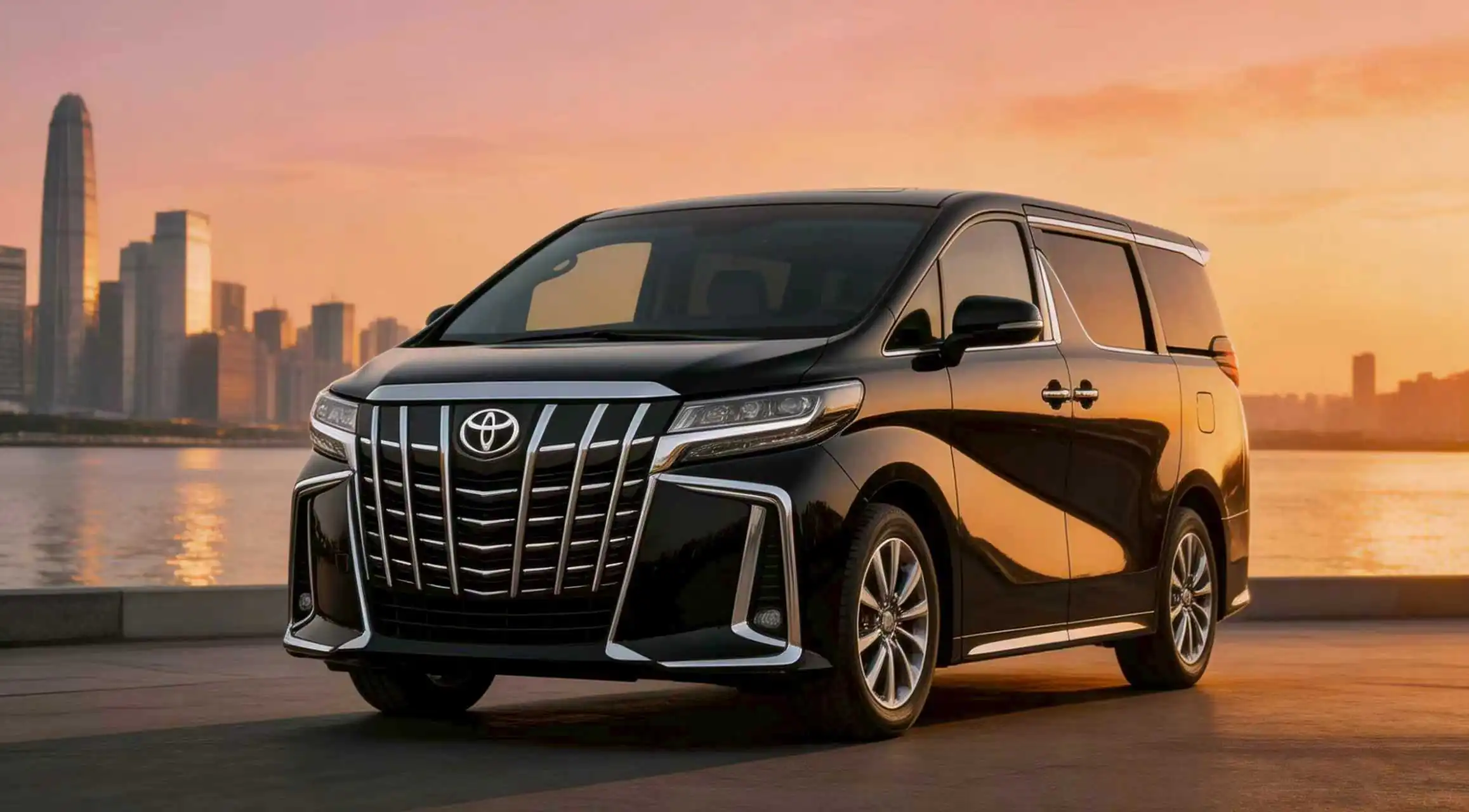
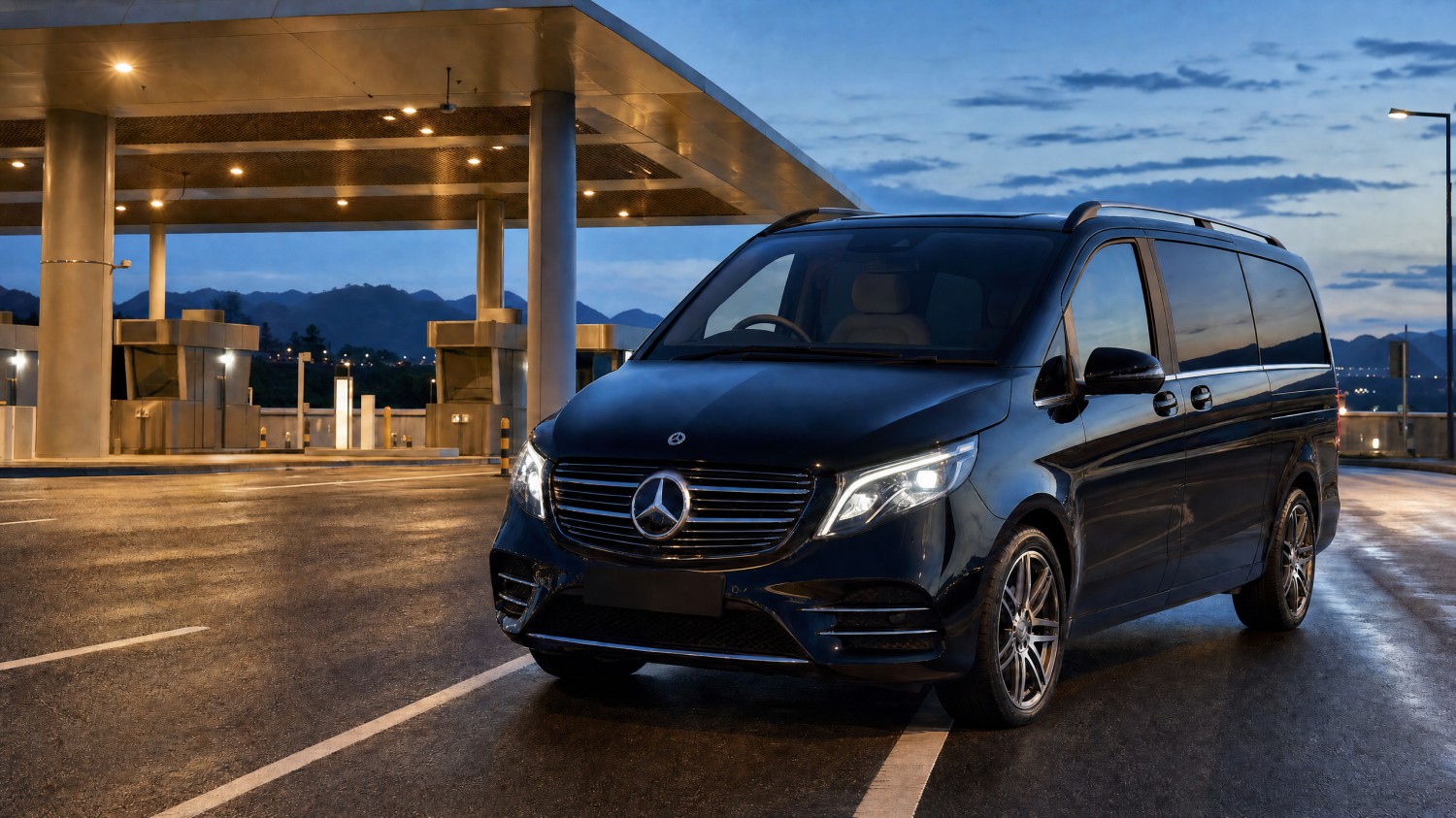
The Toyota Alphard is well suited to families or small groups of three to six people who need more room for luggage or rest. The Mercedes-Benz V-Class suits two or three travellers who value privacy, a formal hosting feel or a more business-oriented meeting day. These are not fixed rules: the best choice still depends on the number of passengers, luggage, route and needs of those travelling.
Once you receive a quotation, first check that the service date, pickup and drop-off points, order of stops, expected use pattern and proposed vehicle match what you requested. If the itinerary is not final, say openly which parts may change. More important than comparing one number is making sure that both sides understand the same scope of journey. Tiger Limo places importance on transparent pricing and clear communication, then recommends a Toyota Alphard or Mercedes-Benz V-Class private chauffeur arrangement around your complete itinerary, group and luggage.
For your next cross-border private car enquiry, share the date, route, passengers and luggage, stops and preferred vehicle in one message. These four steps make the quotation easier to read and allow the service team to prepare journey details earlier. Whether you are arranging a National Day family outing, airport and hotel transfers or cross-border business visits, early communication is the first step towards a comfortable journey.
References
[1] People’s Daily republication of the General Office of the State Council notice, 2026 public holiday arrangements: http://politics.people.com.cn/n1/2025/1104/c1001-40596715.html
Figure 3. Mercedes-Benz V-Class: pre-planned cross-border journey at blue hour